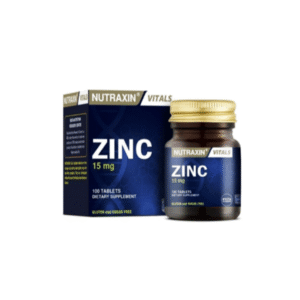
ZINC 15mg tablets are used to prevent and treat zinc deficiency in the body. They support immunity, wound healing, and normal growth. The tablets are taken orally with food as prescribed. Regular intake helps strengthen the body’s defenses against infections.
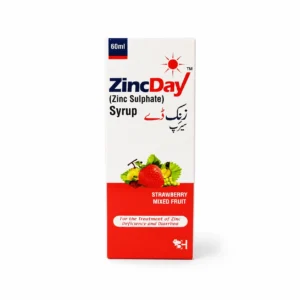
Zincday Syrup is a zinc sulphate supplement (20mg per 5ml, 60ml) by Barrett Hodgson that may help support immunity, appetite and recovery from zinc deficiency. It is used by children and adults whose bodies need extra zinc. Available authentic at Hpharmacy with fast delivery across Pakistan. Quick Facts Category: Supplements (Zinc Supplement) Form: Oral syrup/suspension…
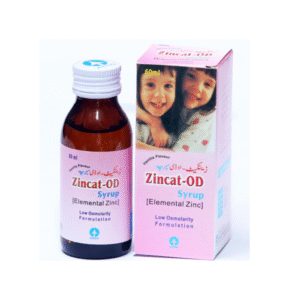
ZINCAT OD syrup provides zinc to children suffering from diarrhea or poor immunity. It helps reduce diarrhea duration and supports faster recovery. This syrup is taken orally in small daily doses. It strengthens the immune system and promotes growth.
ZISCAR 10MG TAB is a medication containing the active ingredient rosuvastatin. It belongs to a class of drugs known as statins, which are used to lower high cholesterol levels. Rosuvastatin works by inhibiting HMG-CoA reductase, an enzyme in the liver that plays a key role in the production of cholesterol. By blocking this enzyme, it…
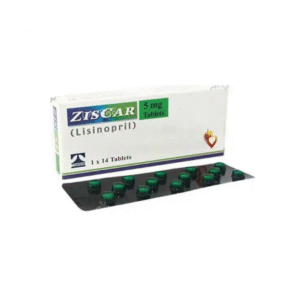
ZISCAR 5MG TAB is a medication containing the active ingredient rosuvastatin. It belongs to a class of drugs known as statins, which are used to lower high cholesterol levels. Rosuvastatin works by inhibiting HMG-CoA reductase, an enzyme in the liver that plays a key role in the production of cholesterol. By blocking this enzyme, it…
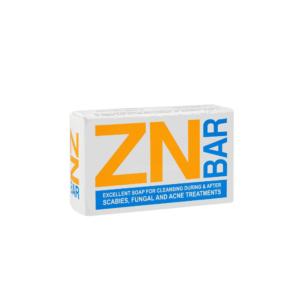
ZN BAR is a nutritious energy bar designed to provide essential vitamins and minerals. It helps boost energy levels during physical activities or recovery. Easy to carry and consume, it supports overall wellness. Ideal for people needing quick nourishment on the go.
ZODIP 5mg is used to treat high blood pressure and angina. It relaxes blood vessels, allowing blood to flow more easily. Taken as an oral tablet, it helps prevent strokes and heart problems. Regular use improves heart health and circulation.
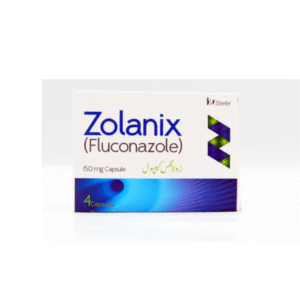
ZOLANIX 150mg treats various fungal infections affecting skin, nails, or internal organs. It stops fungi from growing and spreading in the body. The capsule is taken orally as prescribed by a doctor. It helps clear infections and prevents their recurrence.
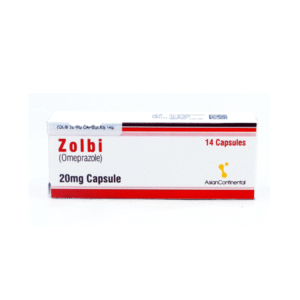
ZOLBI 20mg reduces stomach acid production to relieve acidity and heartburn. It helps heal stomach and duodenal ulcers. Taken as an oral capsule, it provides long-lasting relief from acid reflux. Regular use promotes healthy digestion and comfort.
Select options
This product has multiple variants. The options may be chosen on the product page
ZOLBI 40mg is used for more severe acid reflux and gastric ulcers. It blocks acid secretion in the stomach for longer relief. Supplied in a pack of 14, it is taken orally once daily. It promotes healing of the stomach lining and reduces discomfort.
Select options
This product has multiple variants. The options may be chosen on the product page
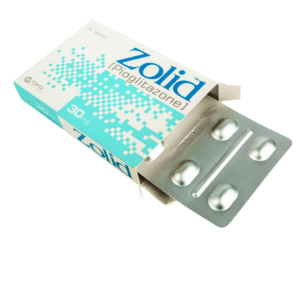
ZOLID 30MG TAB is a medication containing the active ingredient duloxetine. It is a serotonin-norepinephrine reuptake inhibitor (SNRI) that works by increasing the levels of serotonin and norepinephrine, two neurotransmitters in the brain and spinal cord that are important for mood regulation and pain perception.
Zolid Plus combines Tramadol (15mg), a strong analgesic, and Paracetamol (500mg), a widely used pain reliever. This combination is prescribed for the management of moderate to severe pain, including pain from injuries, surgeries, and conditions like arthritis. It provides both immediate and long-lasting relief. Key Uses: Treatment of moderate to severe pain Relief from pain…
The Categories provide a framework to which existing art information systems can be mapped and upon which new systems can be developed. In addition, the discussions in the CDWA identify vocabulary resources and descriptive practices that will make information residing in diverse systems both more compatible and more accessible.The use of the CDWA framework will contribute to the integrity and longevity of data and will facilitate its inevitable migration to new systems as informational technology continues to evolve. Above all, it will help to give end-users consistent, reliable access to information, regardless of the system in which it resides.